How to Identify a Real Rolex
Counterfeit Rolex watches have become alarmingly convincing. Modern fakes copy the case shape, dial layout, and even the weight of a genuine Submariner closely enough that a casual glance won't tell you the truth. This guide walks through seven concrete checks any owner can perform — from the cyclops lens magnification to the rehaut engraving to the second-hand sweep — and shows you the giveaways counterfeiters almost always get wrong.
Authenticate with WatchIQAt a glance: 4 checks that catch most fakes
Cyclops magnification
The bubble lens over the date window on a real Rolex magnifies the date 2.5×. Most counterfeits use a weaker lens — the date should fill almost the entire window.
Case weight
A real stainless-steel Submariner weighs around 150 grams thanks to its solid 904L Oystersteel construction. Fakes often feel noticeably light or hollow in the hand.
Rehaut engraving
Modern Rolex models have "ROLEX" engraved repeatedly around the rehaut (the inner ring between the dial and the crystal). The text should be crisp, evenly spaced, and consistent in depth.
Second-hand sweep
A genuine Rolex automatic movement beats at 28,800 vibrations per hour, producing eight smooth steps per second. Many fakes use cheap quartz movements that tick visibly once per second.
Step 1: Examine the cyclops lens
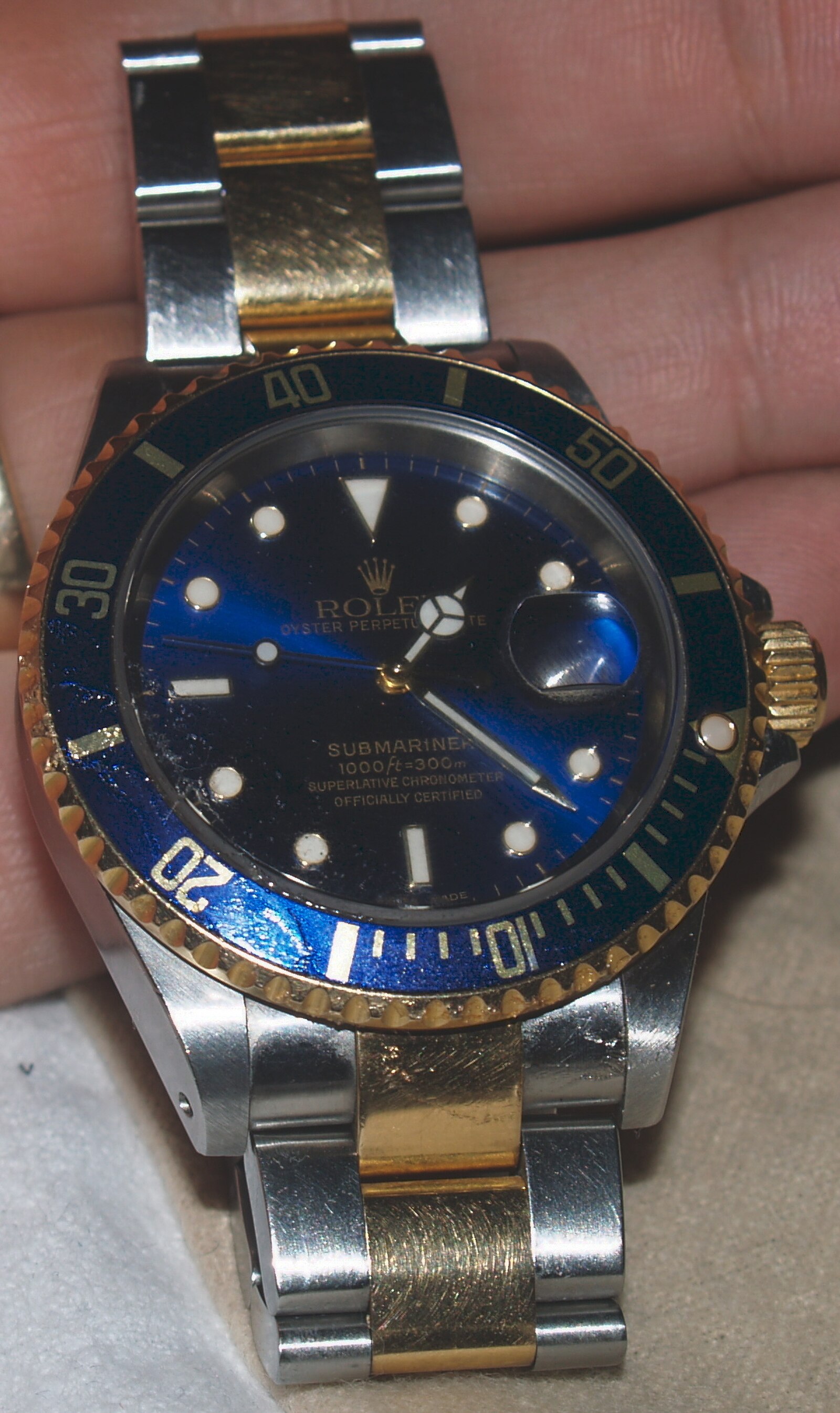
Photo: Eternalsleeper, Public domain via Wikimedia Commons
Hold the watch directly under good light and look at the date window. On a genuine Rolex, the cyclops lens — the small bubble of crystal sitting over the date — magnifies the numerals exactly 2.5 times. The date should appear to fill the window almost edge to edge.
On most counterfeits, the lens is closer to 1.5× or even flat with the crystal. The date will look small and floating inside the window with visible space around it. Tilt the watch and watch how the magnification distorts the numerals; a real cyclops creates a clean, dome-like effect, while a fake often shows a flat or warped view.
Step 2: Feel the weight and material
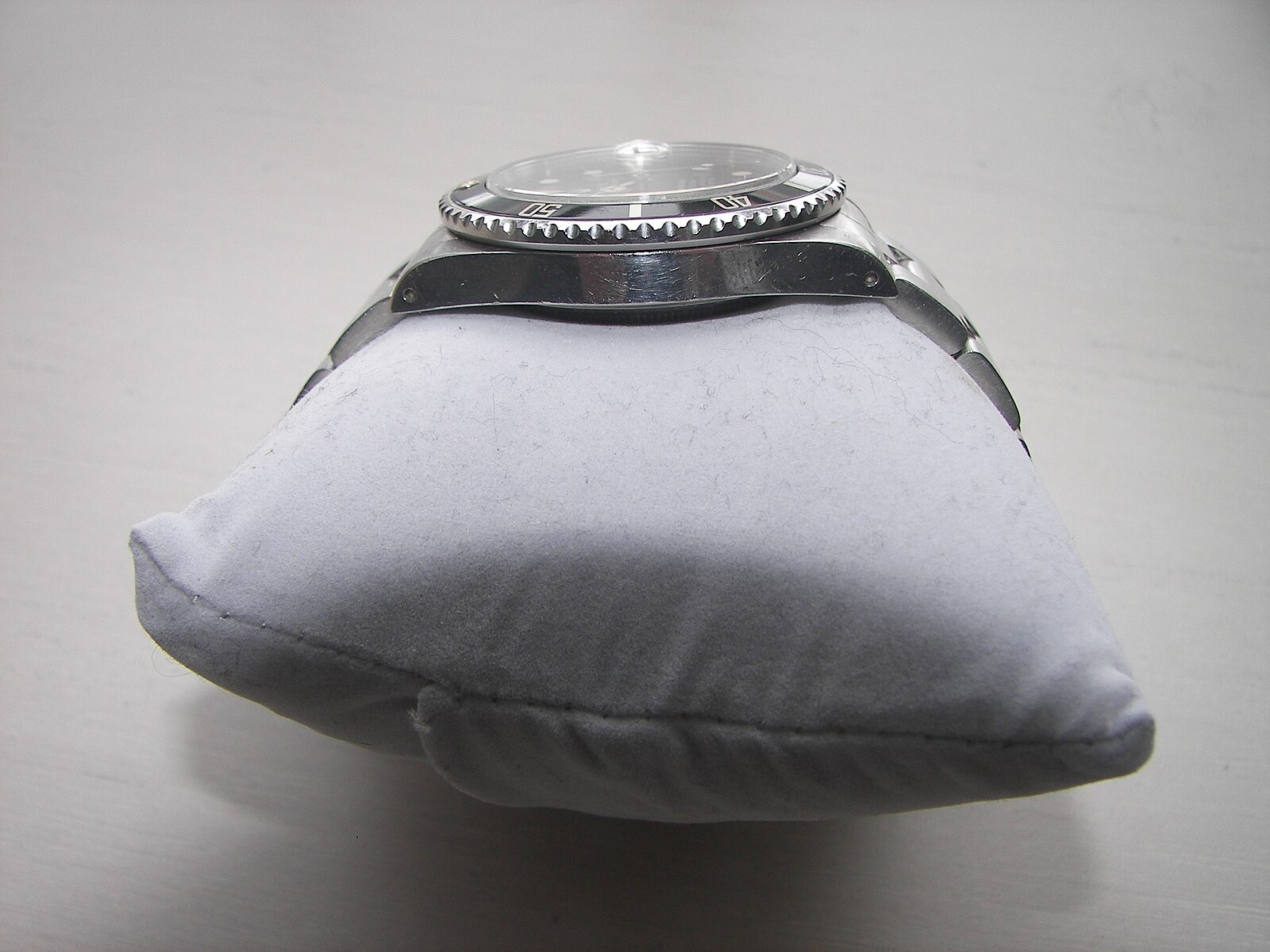
Photo: Tasoskessaris, CC BY-SA 3.0 via Wikimedia Commons
Pick the watch up and let it rest in your palm. A stainless-steel Rolex Submariner weighs around 150 grams thanks to Rolex's use of 904L stainless steel — branded as Oystersteel — which is denser than the more common 316L alloy used by most other manufacturers. The watch should feel substantial, almost surprisingly heavy for its size.
Other steel models weigh slightly less but still feel solid. The bracelet is a good indicator too: a real Rolex Oyster bracelet has solid links and a satisfying density. Fakes commonly use thin, hollow links and lighter-grade steel that gives the watch a noticeably plasticky or empty feel in the hand.
Step 3: Check the rehaut engraving
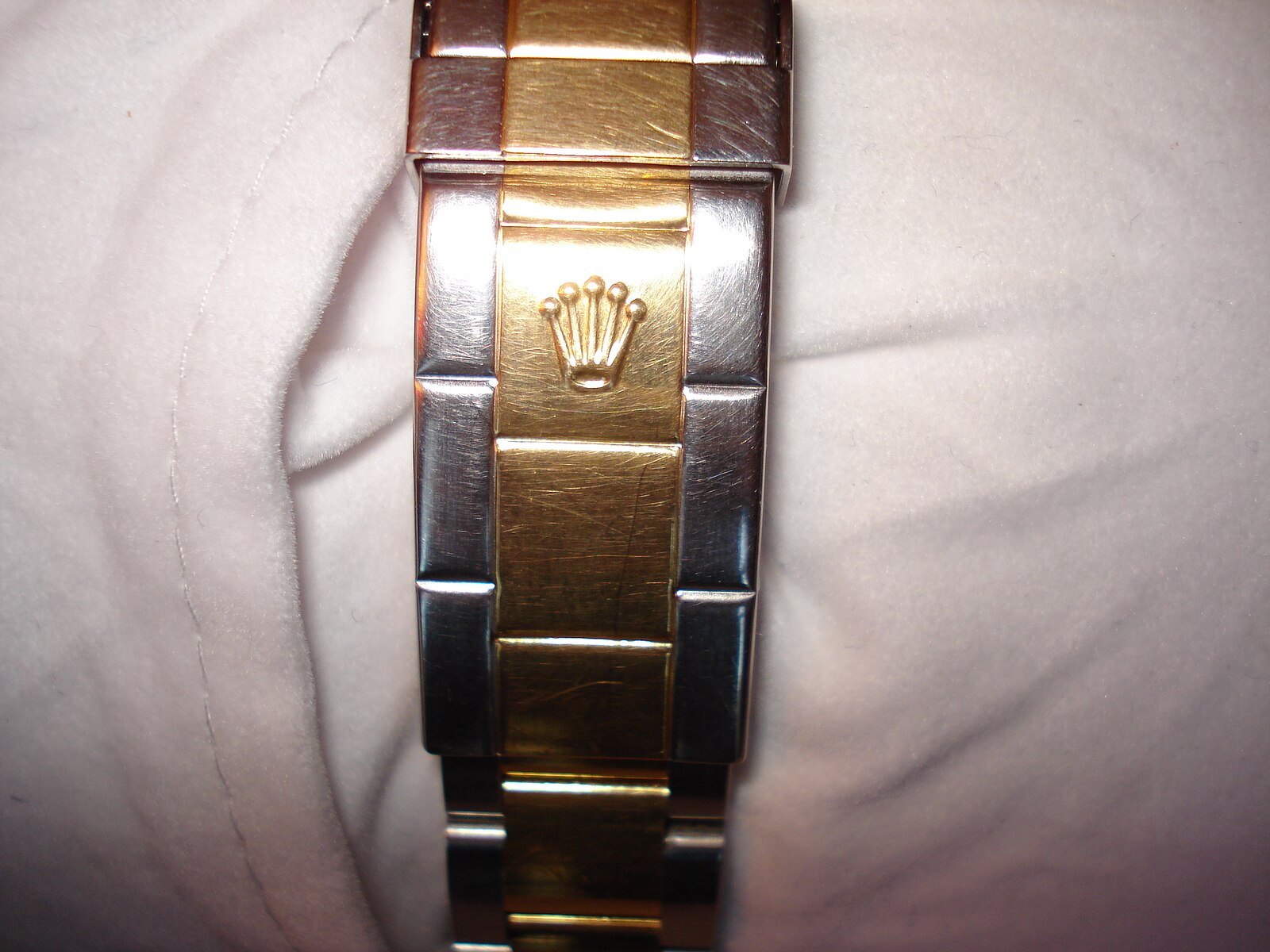
Photo: Eternalsleeper, Public domain via Wikimedia Commons
Look at the rehaut — the slanted inner bezel ring between the dial and the crystal. On most modern Rolex watches (introduced across the lineup by 2008), the rehaut is engraved with the word "ROLEX" repeated around the entire ring, with a unique serial number engraved at the 6 o'clock position.
The engraving should be crisp, evenly spaced, and consistent in depth all the way around. Counterfeit rehauts are commonly etched too shallow, unevenly spaced, or with the wrong font. If the rehaut is plain on a watch that claims to be a recent reference, that's a strong signal it's a fake.
Step 4: Inspect the caseback
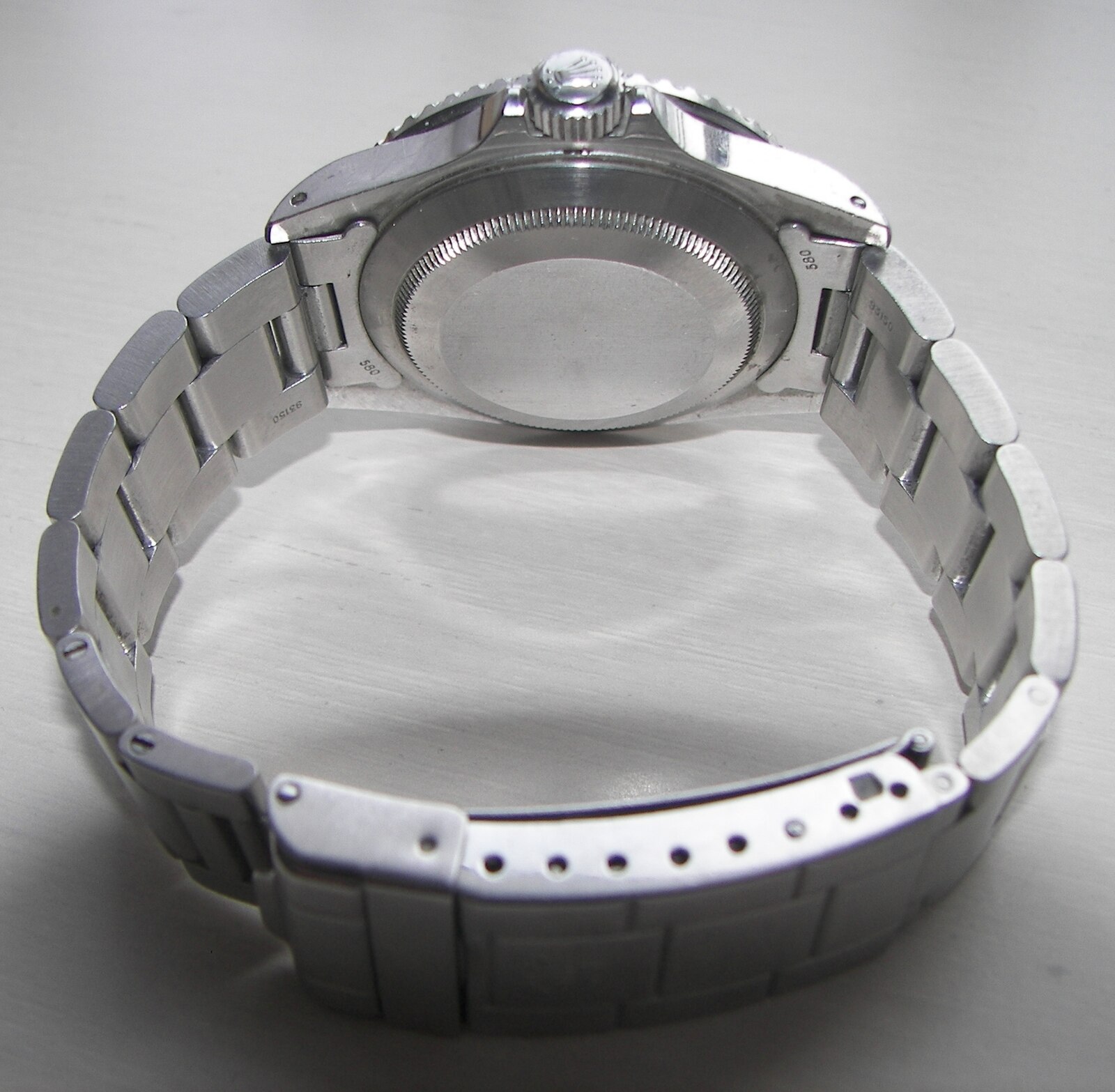
Photo: Dr.K., CC BY-SA 3.0 via Wikimedia Commons
Flip the watch over. With a small number of vintage and limited exceptions, every Rolex has a smooth, unadorned solid steel caseback — no engravings, no display window, no logo etchings. If you're looking at a "Submariner" or "Datejust" with a clear sapphire caseback showing the movement, it's almost certainly a counterfeit.
Genuine engraved casebacks (like the "Sea-Dweller" text on certain references) are produced by Rolex with extreme precision: deeply cut, perfectly centered, and with crisp letterforms. Fakes frequently add unnecessary engravings — model names, serial numbers, "Original Oyster" text — that don't belong on a real Rolex caseback at all.
Step 5: Look for the crown logo etched in the crystal
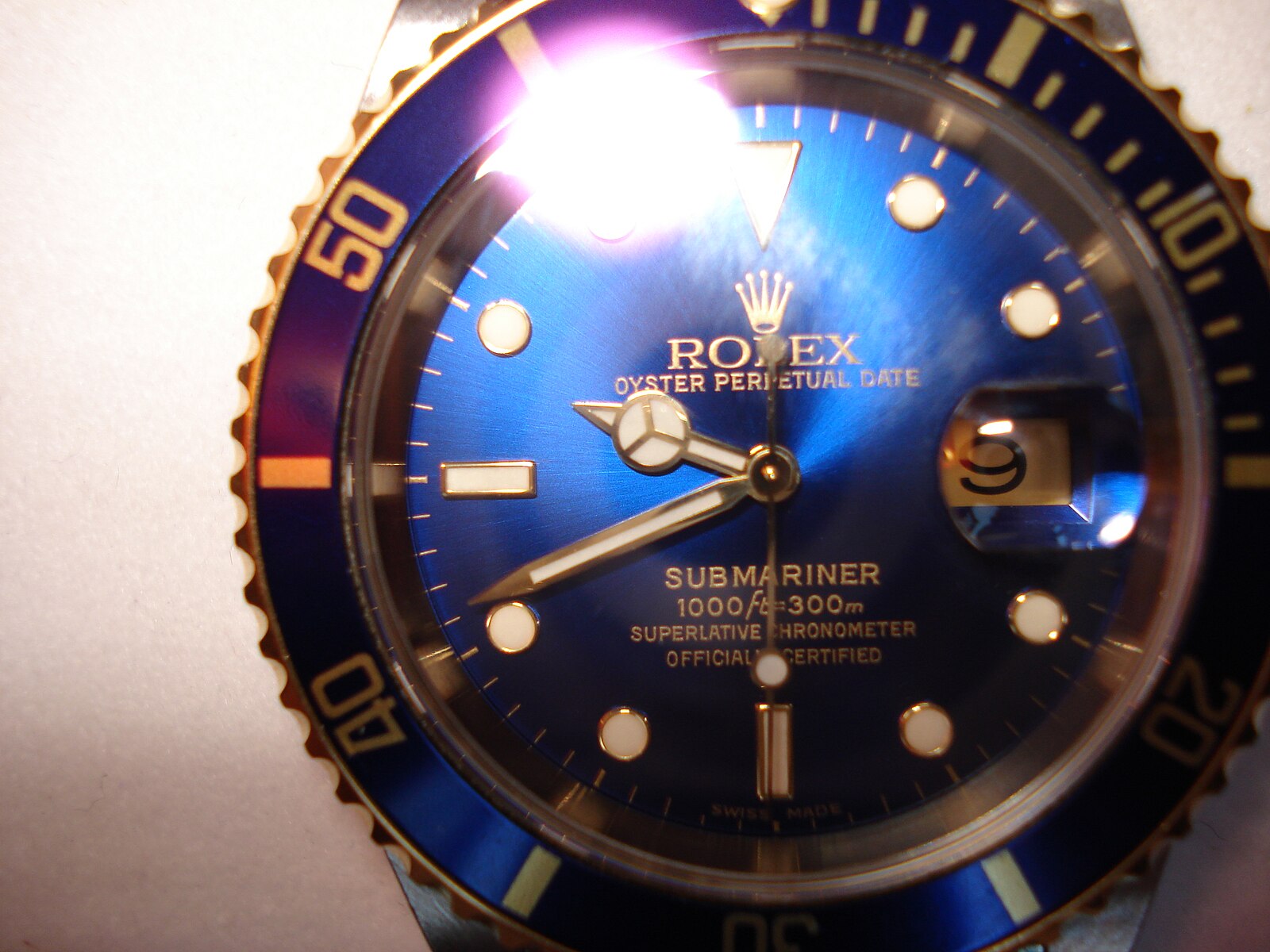
Photo: Eternalsleeper, Public domain via Wikimedia Commons
Modern Rolex watches have a microscopic Rolex crown logo laser-etched into the sapphire crystal at the 6 o'clock position. It's tiny — invisible to the naked eye in most lighting — and only becomes visible when you tilt the watch under bright light or examine it with a loupe.
Counterfeiters have started copying this etching, but the fake versions are typically too large, too obvious, or too crudely cut. A real Rolex crown etching is so small and finely produced that you have to actively look for it; if you can spot it from across the room, it's almost certainly fake.
Step 6: Examine the movement and serial number
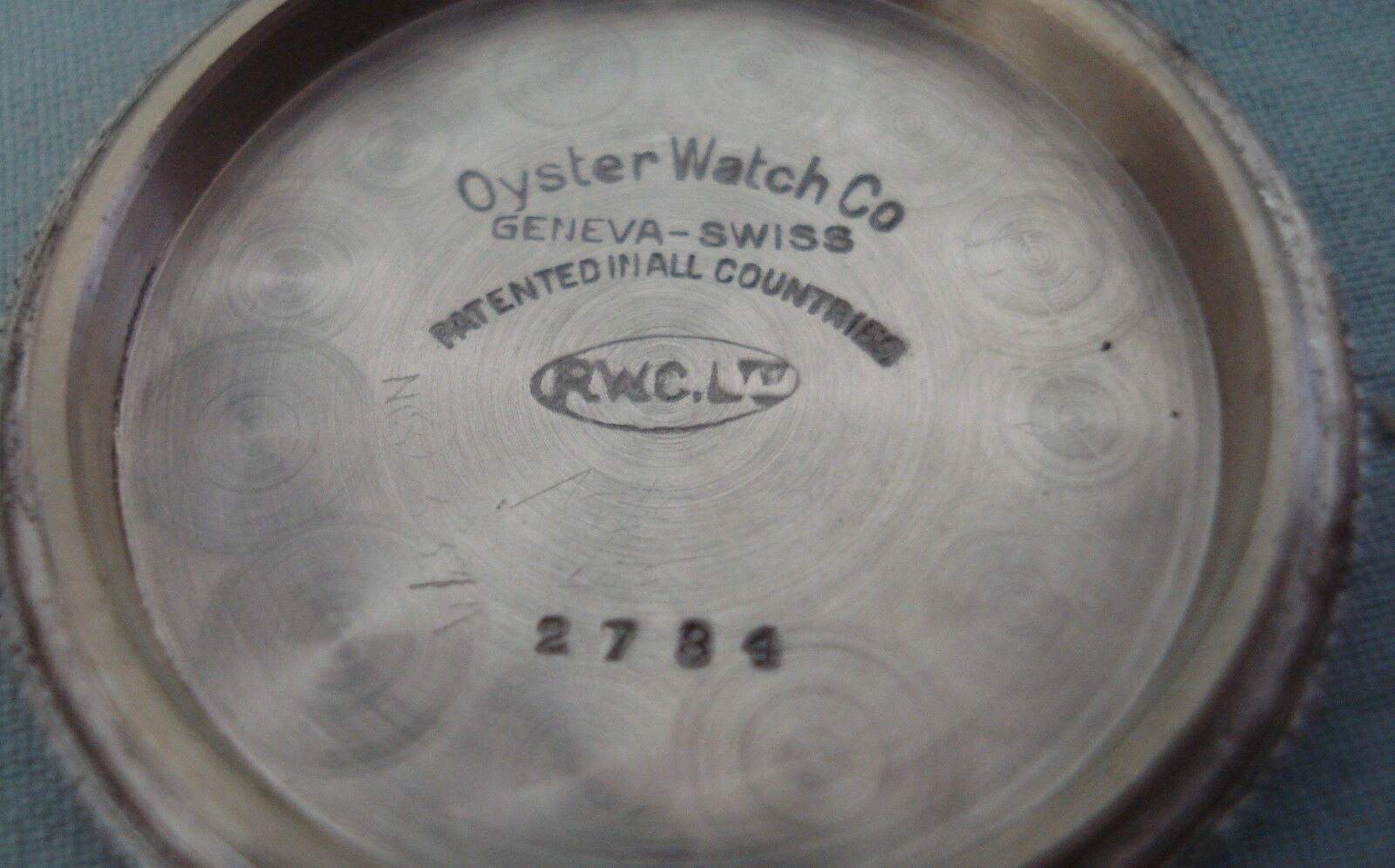
Photo: Matteo sacch, CC BY-SA 4.0 via Wikimedia Commons
If you have access to a watchmaker who can open the caseback, the movement is the most decisive authentication check. A genuine Rolex movement is finished to chronometer-grade standards: perlage and Geneva stripes, blued screws on certain calibers, an engraved Rolex crown on the rotor, and a movement number that matches Rolex's known caliber families (Cal. 3135, 3235, 3230 for current Datejust and Submariner references).
Serial numbers follow predictable patterns by year of production. On watches made before roughly 2005, the serial is engraved between the lugs at the 6 o'clock side; on later watches, it's on the rehaut. The engraving on a real Rolex is always laser-precise — sharp, consistent depth, and deeply set. Hand-engraved-looking serial numbers are an instant red flag.
Step 7: Watch the second hand sweep
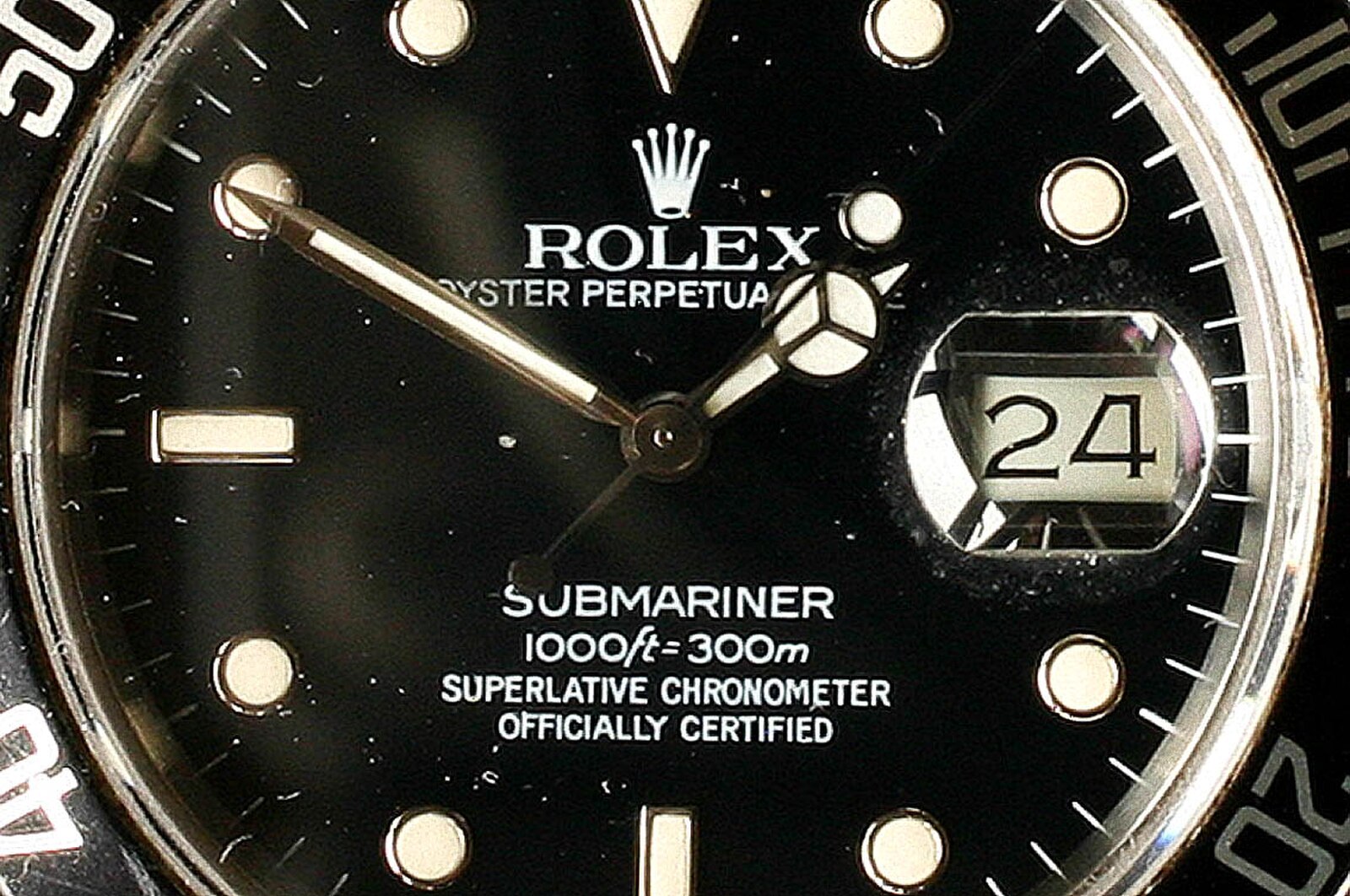
Photo: Si Griffiths, CC BY-SA 3.0 via Wikimedia Commons
Hold the watch close and watch the seconds hand for ten seconds. Every modern Rolex automatic movement runs at 28,800 vibrations per hour, which produces eight discrete steps per second — fast enough that the hand looks like it's sweeping smoothly around the dial.
A quartz movement, by contrast, ticks once per second with a clearly visible jump. If the watch is a Submariner, Datejust, GMT-Master, or any other automatic Rolex model and the second hand is ticking once per second, it's a fake. The only quartz Rolex ever produced was the Oysterquartz line (discontinued in 2001) — and you almost certainly aren't holding one.

Skip the checklist — let WatchIQ verify it
Snap a photo of the watch and WatchIQ runs every one of these checks for you in seconds, comparing the dial, case, and bracelet against thousands of authenticated reference images.
Download WatchIQInstant disqualifiers
- !Misspellings anywhere on the dial — "Rollex," "Submarriner," or odd spacing in "OYSTER PERPETUAL." Rolex prints every dial to perfection.
- !A quartz tick on any model that should be automatic. Ninety-nine percent of Rolex watches in circulation are mechanical.
- !A display caseback showing the movement on a Submariner, Datejust, GMT-Master, or other Oyster-case model. Rolex doesn't make these with display backs.
- !Lume that doesn't glow brightly after exposure to light. Modern Rolex uses Chromalight, which produces a long, intense blue glow in the dark.
- !A bracelet that feels hollow or rattles. Rolex Oyster bracelets are solid-link constructions with almost no play between segments.